


First acupuncture consultation
For your first visit
An unhurried conversation, tongue and pulse assessment, your first acupuncture session and a plan agreed with you.
Book the first consultationLearn more about the acupuncture consultationA tight chest for no clear reason, a mind that will not switch off, nights spent staring at the ceiling waiting for sleep. In an acupuncture consultation, Yorrana Medeiros, an acupuncturist who speaks English, takes the time to listen to what you are going through and uses very fine needles to help your body find more calm. In Saldanha, in central Lisbon.
Also on ClassPass
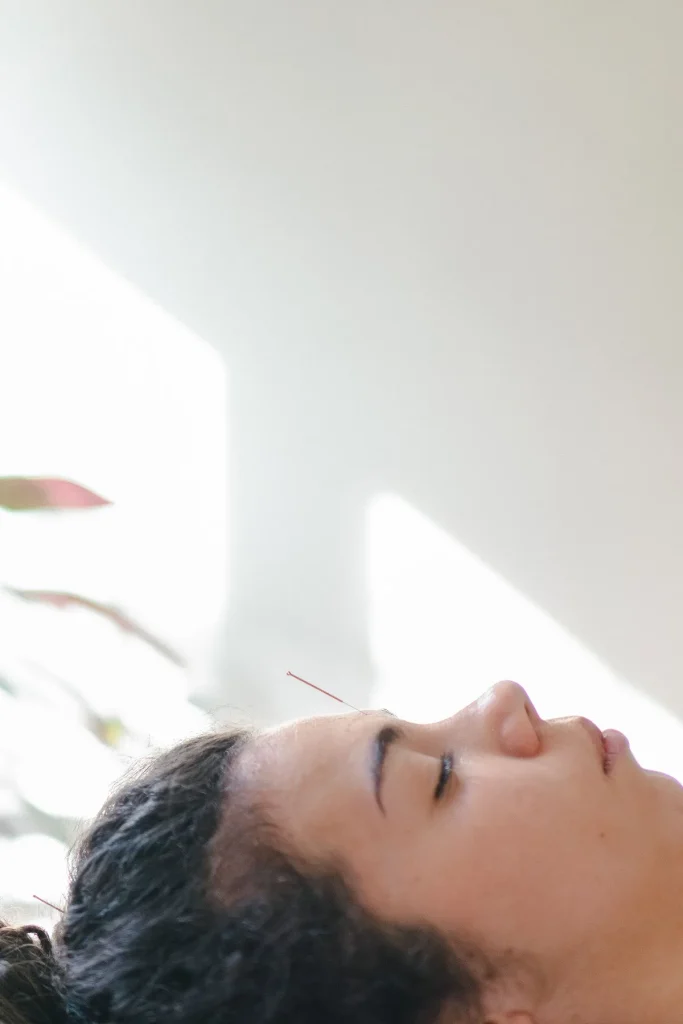

Anxiety rarely arrives all at once. It starts with a more demanding job, a move to a new home or a new country, a difficult time in the family, and then it stays. Many people describe the same things: a racing heart when nothing is happening, a clenched jaw, tight shoulders, short breaths, the feeling of being constantly on alert.
The body speaks too. Some people feel their stomach close up or their digestion go haywire, some get headaches at the end of the day, and some wake up more tired than when they went to bed. And at night, when it finally goes quiet, the thoughts speed up.
For those who have moved to Lisbon, there is often more on top: a new language, paperwork, family and friends far away, a routine that is still finding its shape.
By the time they come to the consultation, many people have already tried breathing exercises, sport, putting the phone away earlier. It helps, but it is not always enough, and many arrive after years of trying other solutions. That is when it is worth looking at body and mind together.
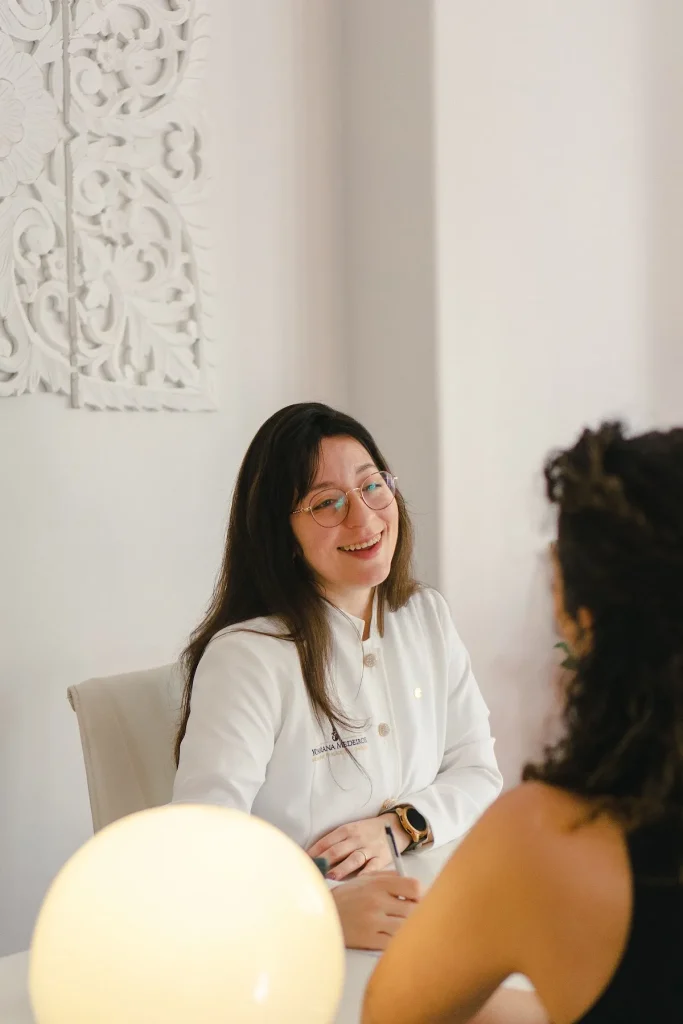
In Traditional Chinese Medicine, body and emotions are part of the same whole. Anxiety and sleep are looked at together with everything else: digestion, the menstrual cycle, energy through the day, the way each person reacts to stress.
The Liver is responsible for the smooth flow of Qi, the energy that moves through the body. When tension lasts for a long time, Liver Qi tends to stagnate, and this can show up as irritability, frequent sighing, tight shoulders, headaches or digestion that changes with your mood. The Heart, in this view, houses the Shen, the mind. When it is unsettled, sleep becomes light, thoughts race at night and calm is hard to find.
That is why two people with the same complaint may need different approaches. Yorrana does not follow a fixed recipe of points: she chooses them after listening and observing, and adjusts them from one session to the next. In practice, every consultation starts with a conversation, and the plan is built around what you feel and the pace of your life.
What you feel, since when, how you sleep, your routine, your food and what you have already tried. What you share stays between you and Yorrana, and it can all be said in English.
Tongue and pulse observation, according to Traditional Chinese Medicine.
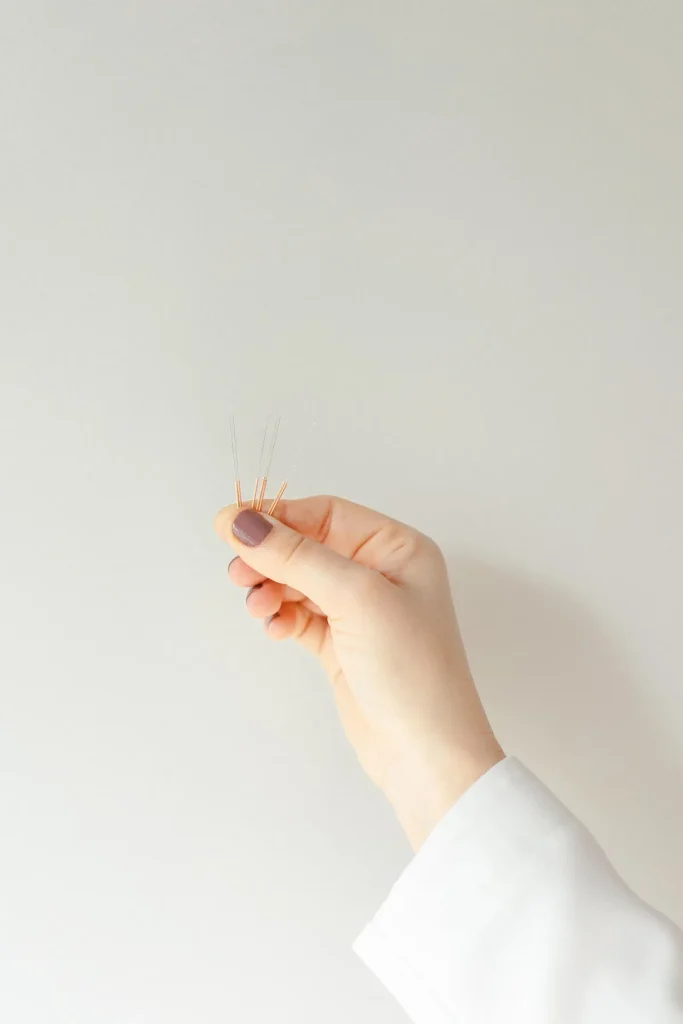
Very fine, sterile, single-use needles on points chosen for your case. Then some time to rest with the needles in place.
The rhythm of your sessions and advice for daily life, agreed with you.
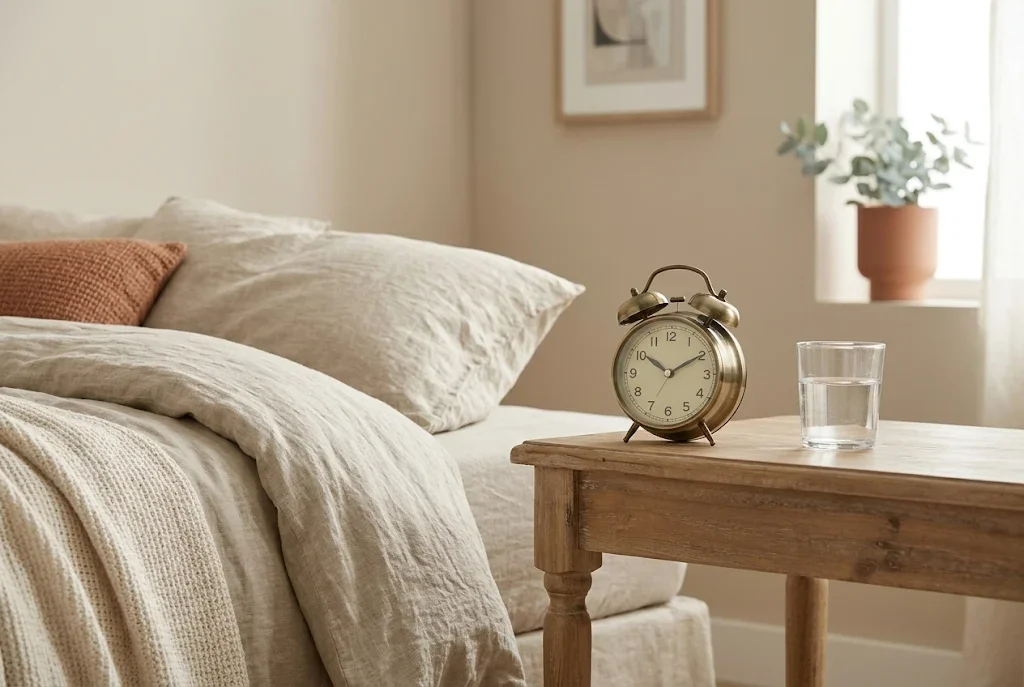
Some people take hours to fall asleep, some wake at three in the morning with a head full of thoughts, and some sleep all night and still get up tired. In the consultation, sleep is discussed in detail: what time you go to bed, how long it takes you to fall asleep, whether you wake during the night and at what time, what you eat for dinner, what you do in the last hour before bed. In Chinese medicine, these details are clues: the way you sleep helps Yorrana understand which pattern lies behind it.
Alongside the needles, Yorrana may give you food advice based on Chinese dietary therapy, designed around your rhythm and what you usually eat in the evening.

Many people describe a feeling of calm at the end of the session, easier breathing and a wish to rest. Some notice the difference that same night; others feel it gradually, over the sessions.
Acupuncture may help reduce stress, release tension in the shoulders and neck, ease tension headaches and bring the body back into rest mode, the state in which you breathe slowly, digest well and sleep better. In Chinese medicine, the effect goes beyond the session: by restoring the flow of Liver Qi and calming the Shen, it may contribute to greater wellbeing and more emotional balance from day to day.
A 2021 review of 20 trials in people with generalised anxiety concluded that acupuncture may help reduce anxiety. At your first consultation, Yorrana explains how it may help in your case and what to expect.
Reviews published on Fresha and Google about Yorrana’s consultations and massages, exactly as they were written. See on Google · See on Fresha
A Yorrana proporciona um serviço personalizado e ajustado a todas as nossas necessidades. Super recomendo! OBRIGADA
Maravilhosa. Amei a experiência
Each consultation includes the conversation, the assessment, the needles and advice for daily life.
For your first visit
An unhurried conversation, tongue and pulse assessment, your first acupuncture session and a plan agreed with you.
Book the first consultationLearn more about the acupuncture consultation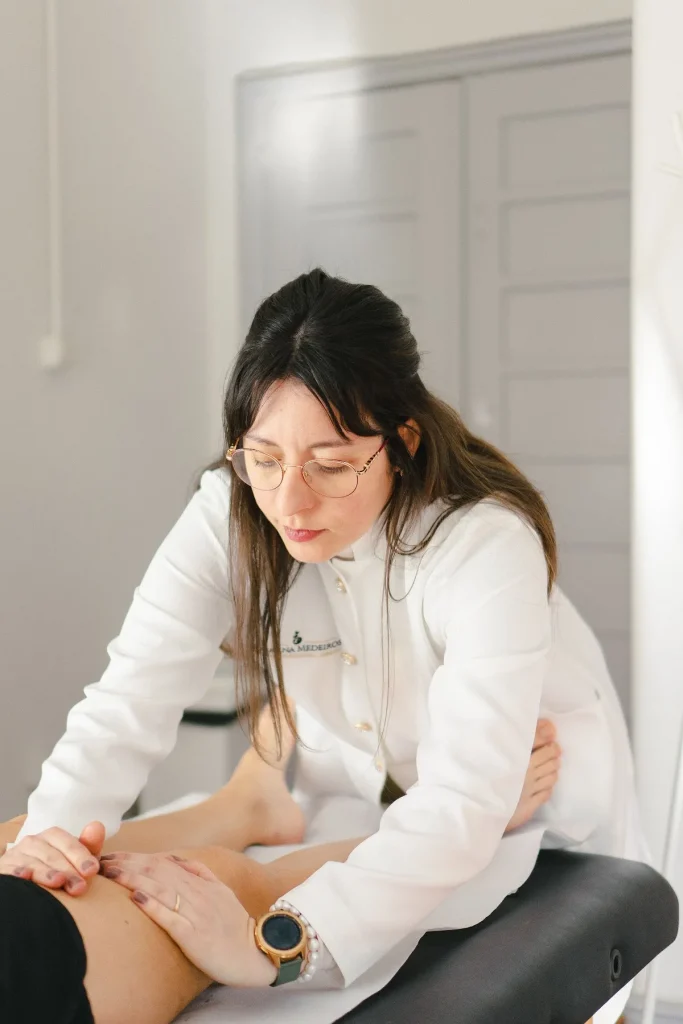
After your first consultation
The acupuncture session, a review of your plan and advice for everyday life.
Book a follow-upLearn more about follow-up sessions
Acupuncture support over several months
First consultation, 6 follow-up sessions and 1 cupping session (8 sessions), to use within 4 months.
Book the TCM ProgrammeLearn more about the TCM ProgrammePrices include VAT. See all prices · Also on ClassPass.
It may help reduce anxiety. At the first consultation, Yorrana explains what to expect in your case.
It depends on the person and on how long the anxiety has lasted. Many people feel the effects within the first few sessions. The plan usually starts with one session a week, and the sessions are then spaced out as calm settles in. Yorrana gives you the likely number at the first consultation.
Among the points traditionally described as calming the mind are Yintang, between the eyebrows, Shenmen, on the wrist crease, and Neiguan, on the inner forearm. The points for each session, though, are chosen for each person, after the conversation and the tongue and pulse observation.
Yes. Tell Yorrana what you take. Any change to your medication is always decided with whoever prescribed it.
Yes. Acupuncture works alongside the support you already have; just tell Yorrana what you are doing.
Yes. Yorrana speaks English, so you can describe how you feel in your own words, without having to translate.
Most people feel only a light prick. The needles are very fine, sterile and single-use.
The first consultation costs €60 (60 min) and each follow-up session €50 (50 min), VAT included. The TCM Programme costs €315 (8 sessions over 4 months).
At Av. 5 de Outubro 16, 2.º Dto, 1050-056 Lisbon, close to Saldanha and Picoas metro stations. Monday to Friday, 9:30 am to 6:30 pm; Saturday, 10 am to 6 pm.
+351 927 304 834 (phone and WhatsApp)
An hour of conversation, fine needles and rest, to look for more calm in your days and your nights. Choose the day and time on Fresha; if you have questions, message us on WhatsApp.