
First acupuncture consultation
For your first visit
An unhurried conversation, tongue and pulse assessment, your first acupuncture session and a plan agreed with you.
Book the first consultationLearn more about the acupuncture consultationSo many rules about what to eat, so many diets that contradict each other, and in the end you still do not know what makes sense for your body. Chinese dietary therapy is the way Chinese medicine looks at food. In Saldanha, in central Lisbon, Yorrana Medeiros, an acupuncturist who speaks English, gives this advice during the acupuncture consultation, adapted to each person.
Also on ClassPass
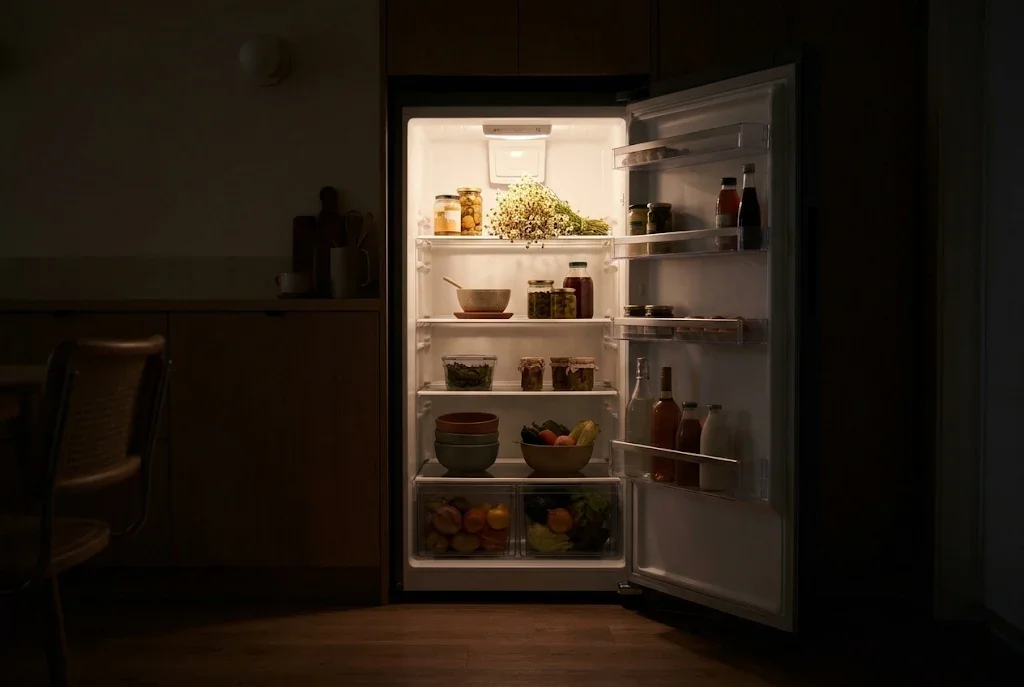
Some people have already cut out gluten, sugar and dairy, counted calories and followed plans for weeks, and still end the day with a bloated stomach. Some eat cold salads at lunch because they are healthy, then spend the afternoon feeling cold and drained. And some simply eat in a hurry, between meetings and children, and feel that food has stopped being a moment of care.
Moving to Lisbon changes the plate too: new foods, later dinners, more coffee, the temptation of a pastry at every corner. Many people arrive at the consultation for another reason, digestion, sleep, tiredness, the menstrual cycle, and discover that food is part of the conversation. They want advice that makes sense for them, fits into daily life and comes with an explanation, instead of another list of things they cannot eat.
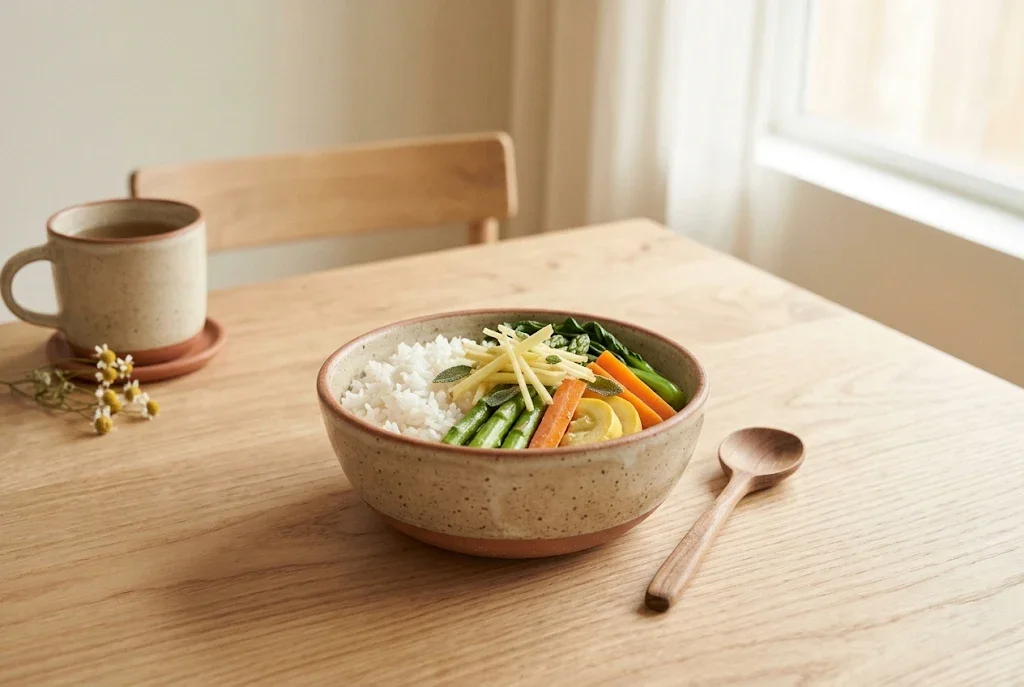
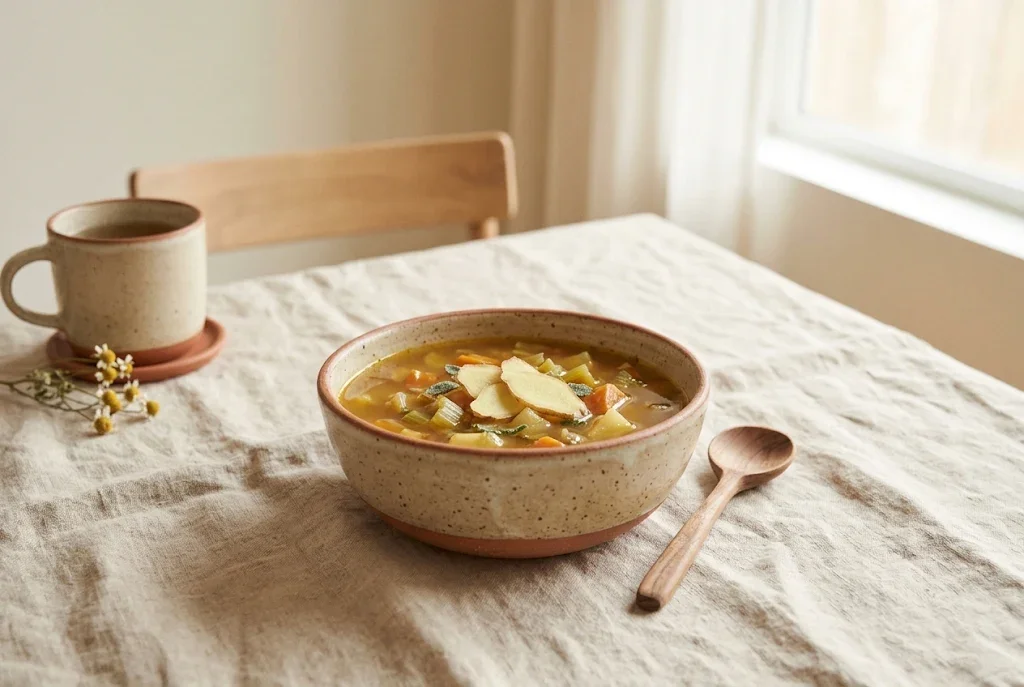
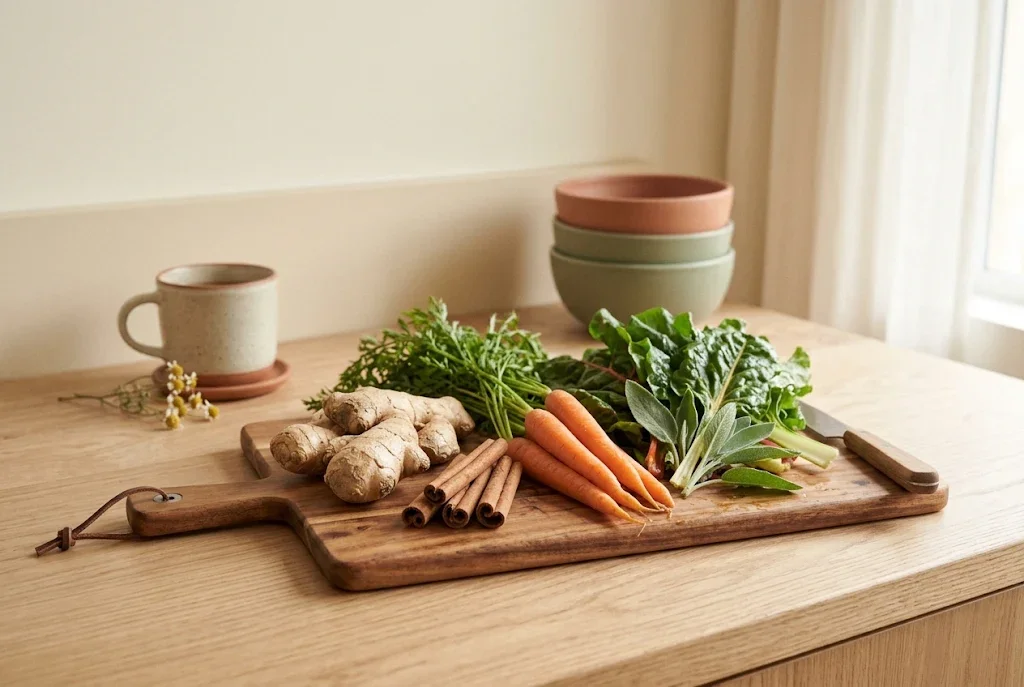
In the Chinese tradition, every food has a nature (warmer, cooler or neutral) and a flavour (sweet, sour, bitter, pungent or salty). The tradition links each of the five flavours to an organ: sweet to the Spleen and Stomach, sour to the Liver, bitter to the Heart, pungent to the Lungs, salty to the Kidneys. Food advice starts from this reading, from the season and from the way each person eats and lives. A hot soup on a winter’s day, ginger alongside a dish, the time you have dinner: in Chinese medicine, the details matter.
That is why the advice changes from person to person. What makes sense for someone who always feels cold may be different from what makes sense for someone who feels hot at night, even if both have the same complaint.
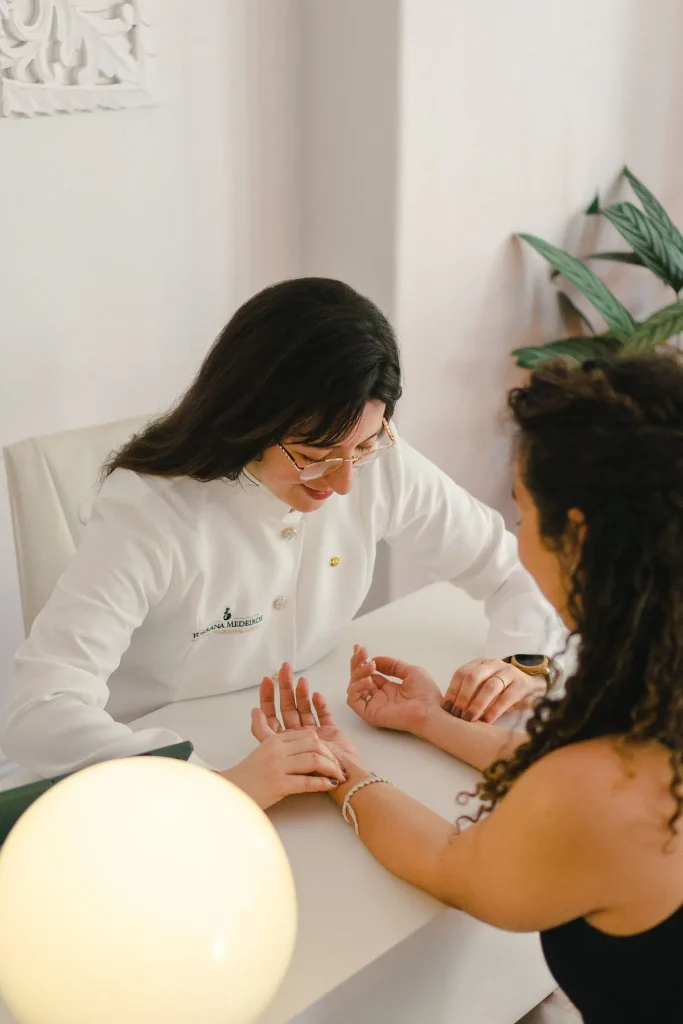
What you eat, when, how you sleep, your digestion and the rhythm of your day. All in English, if you prefer.
Tongue and pulse observation, according to Traditional Chinese Medicine.
Simple changes to your food, explained and adapted to you.
At the following sessions, she looks with you at what worked in daily life and what to adjust.
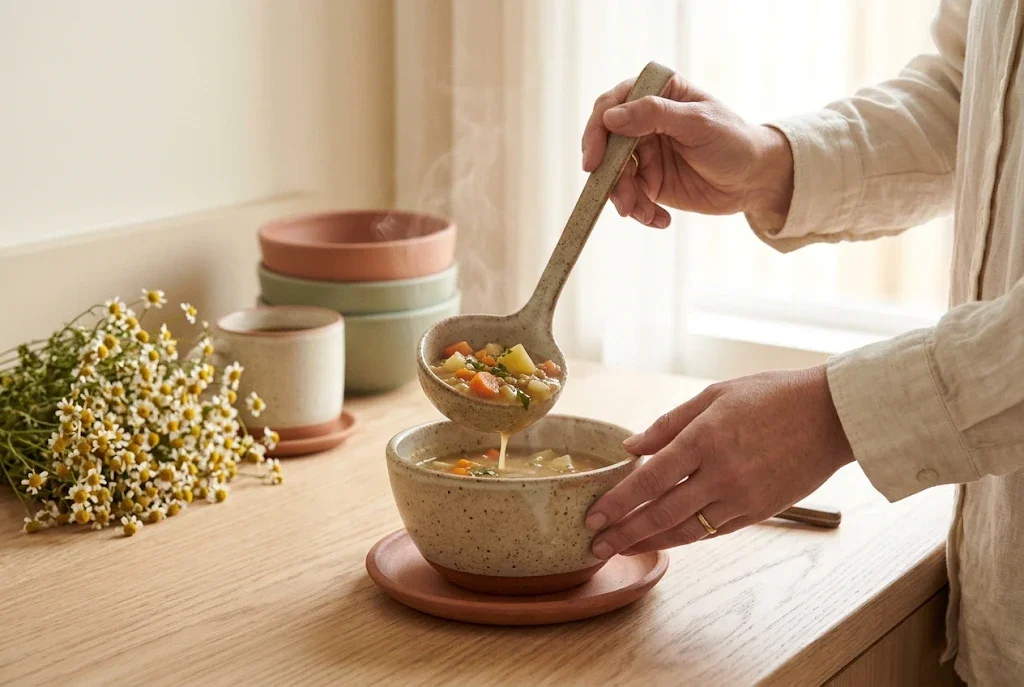
You leave the consultation with a few pieces of advice, well explained and easy to follow: what to favour at dinner, how to organise your meals, which foods warm and which cool according to the Chinese tradition. Each change comes with the reason behind it, so that you can adapt it at home, when travelling or at a dinner out.
In Chinese medicine, food is the care you give yourself three times a day. Eating according to your nature may help digestion feel lighter, support your energy through the day, bring more warmth to those who always feel cold and more calm to evenings and sleep. Many people describe a more relaxed relationship with food, fewer rules and more attention to what the body asks for. At the first consultation, Yorrana explains how food may help in your case, together with acupuncture and.
For anyone who wants to look at food as part of caring for their health, and especially for those who come to the consultation for digestion, sleep, tiredness or the menstrual cycle. Also for those who want to get to know the Chinese food tradition from someone who studied it and uses it in practice.
Food advice is part of the acupuncture consultation: it is included in the price, at no extra cost.
For your first visit
An unhurried conversation, tongue and pulse assessment, your first acupuncture session and a plan agreed with you.
Book the first consultationLearn more about the acupuncture consultation
After your first consultation
The acupuncture session, a review of your plan and advice for everyday life.
Book a follow-upLearn more about follow-up sessions
Acupuncture support over several months
First consultation, 6 follow-up sessions and 1 cupping session (8 sessions), to use within 4 months.
Book the TCM ProgrammeLearn more about the TCM ProgrammePrices include VAT. See all prices · Also on ClassPass.
It is the way Traditional Chinese Medicine looks at food: every food has a nature and a flavour, and the advice is adapted to the person, the season and their pace of life.
It is part of the acupuncture consultation: the first consultation costs €60 and follow-ups €50, VAT included.
The advice starts from what you already eat and suggests changes that fit your daily life, without long lists of forbidden foods.
Yes. Mention it at the consultation: the advice starts from what you eat and what you avoid.
If you already follow a food plan, mention it at the consultation: the advice is adjusted to that plan and works alongside it.
Yes. The advice is built around what you actually eat, here in Lisbon: soups, fish, rice, vegetables. It is about how and when, more than about giving things up.
The advice is included in the consultation: €60 for the first consultation (60 min) and €50 for each follow-up session (50 min), VAT included.
At Av. 5 de Outubro 16, 2.º Dto, 1050-056 Lisbon, close to Saldanha and Picoas metro stations. Monday to Friday, 9:30 am to 6:30 pm; Saturday, 10 am to 6 pm.
+351 927 304 834 (phone and WhatsApp)
An hour to look at your food properly and leave with advice made for you, explained and easy to follow. Choose the day and time on Fresha; if you have questions, message us on WhatsApp.