


First acupuncture consultation
For your first visit
An unhurried conversation, tongue and pulse assessment, your first acupuncture session and a plan agreed with you.
Book the first consultationLearn more about the acupuncture consultation
By Yorrana Medeiros, acupuncturist · · 7 min read
Waking up with no energy after a whole night in bed. Feeling the body ache without any effort. Hearing that the tests are normal when the pain will not let you forget it. Anyone living with fibromyalgia knows this routine well, and often the feeling that nobody understands what is going on. Many people come to Yorrana after years of trying other solutions. This article explains how Traditional Chinese Medicine sees fibromyalgia and how acupuncture, Tui Na massage, cupping, Chinese herbal medicine and diet may help ease pain and bring back energy.

Fibromyalgia is a chronic condition marked by muscle and joint pain spread across the body, tiredness and tenderness at specific spots, known as tender points. It leaves no marks on the joints or muscles, but it can weigh heavily on daily life. The most common symptoms:
For those who have moved to Lisbon, explaining all of this in another language can be tiring in itself. With Yorrana, the whole visit is in English.
Do you recognise some of these signs? Chinese medicine has its own way of looking at each of them.
The causes are still being studied, and several often come together:

In Traditional Chinese Medicine, fibromyalgia is a set of imbalances that come together. It can arise from external factors, such as Wind, Cold and Dampness, which enter the body, or from internal imbalances, such as a lack of Qi or Blood stagnation. The organs most involved:
That is why two people with fibromyalgia may need different approaches. The tongue, the pulse and each person’s story show the pattern and decide the techniques, the points and the rhythm of sessions.
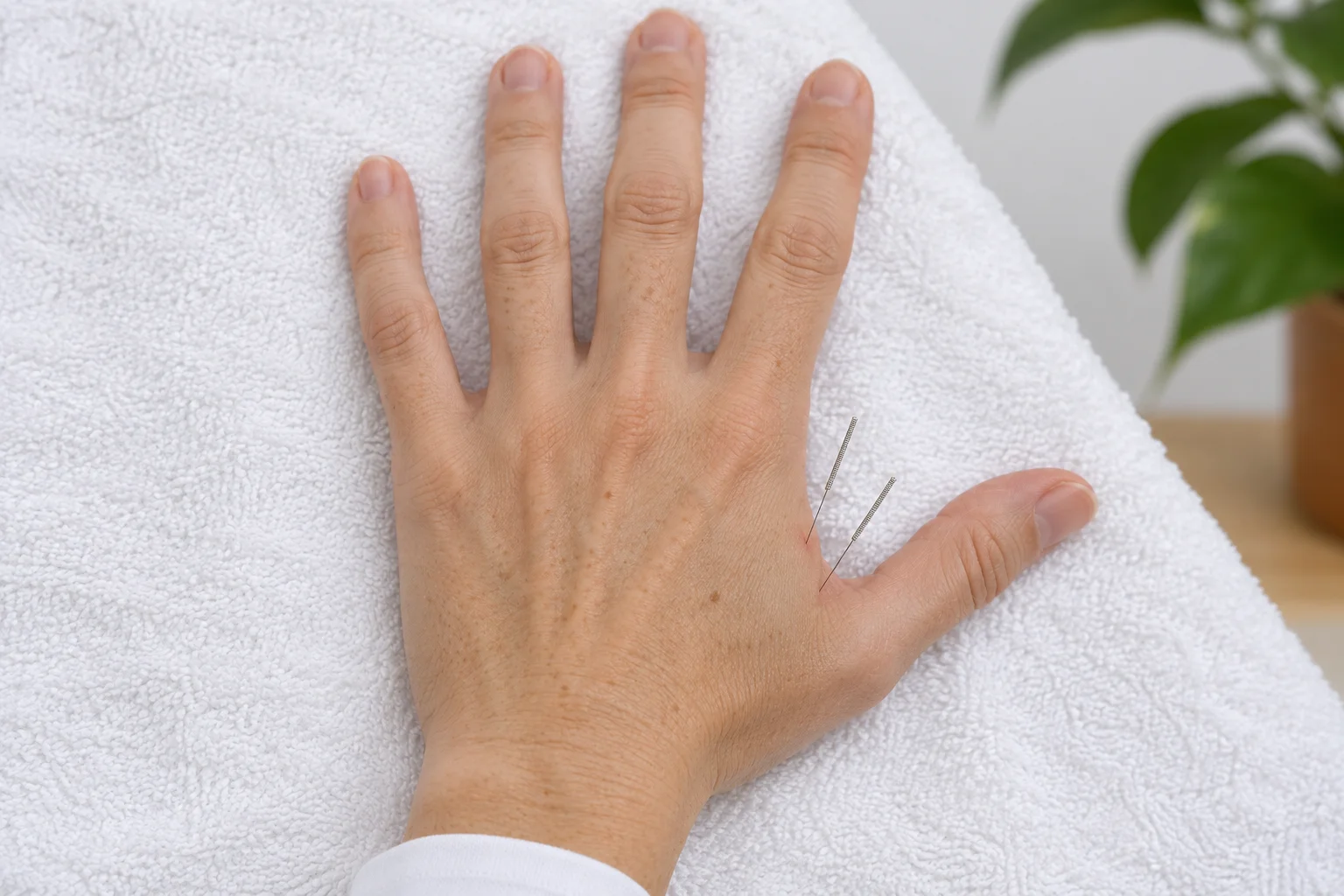
Yorrana brings together several techniques of Chinese medicine, always tailored to each person:
At home, gentle practices such as Qi Gong and Tai Chi may help get Qi moving and calm the mind.

With sessions, many people describe less pain in the body, less stiff mornings, more restful sleep and more energy for the day. Some also notice a clearer head and a calmer digestion, which, in Chinese medicine, is part of the same balance. The idea is to look at the body as a whole, not just at the spot that hurts today.
At your first visit, Yorrana listens to your story properly, identifies your pattern, gives you your first session and you leave with a clear plan: the rhythm of sessions, the techniques that make sense for you and what to eat.
For your first visit
An unhurried conversation, tongue and pulse assessment, your first acupuncture session and a plan agreed with you.
Book the first consultationLearn more about the acupuncture consultation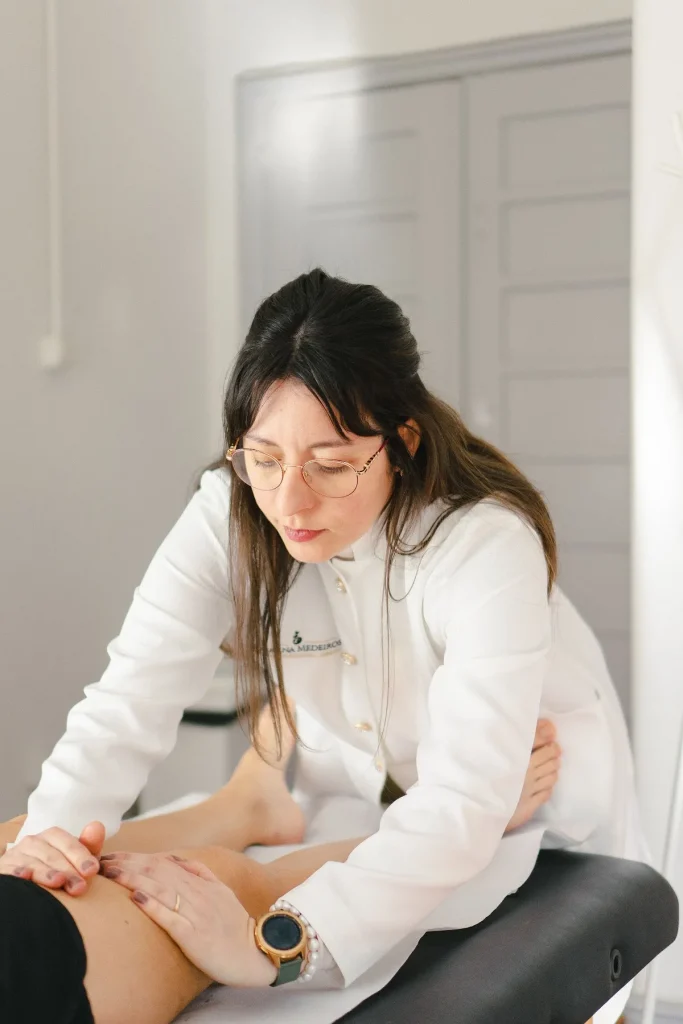
After your first consultation
The acupuncture session, a review of your plan and advice for everyday life.
Book a follow-upLearn more about follow-up sessions
Acupuncture support over several months
First consultation, 6 follow-up sessions and 1 cupping session (8 sessions), to use within 4 months.
Book the TCM ProgrammeLearn more about the TCM Programme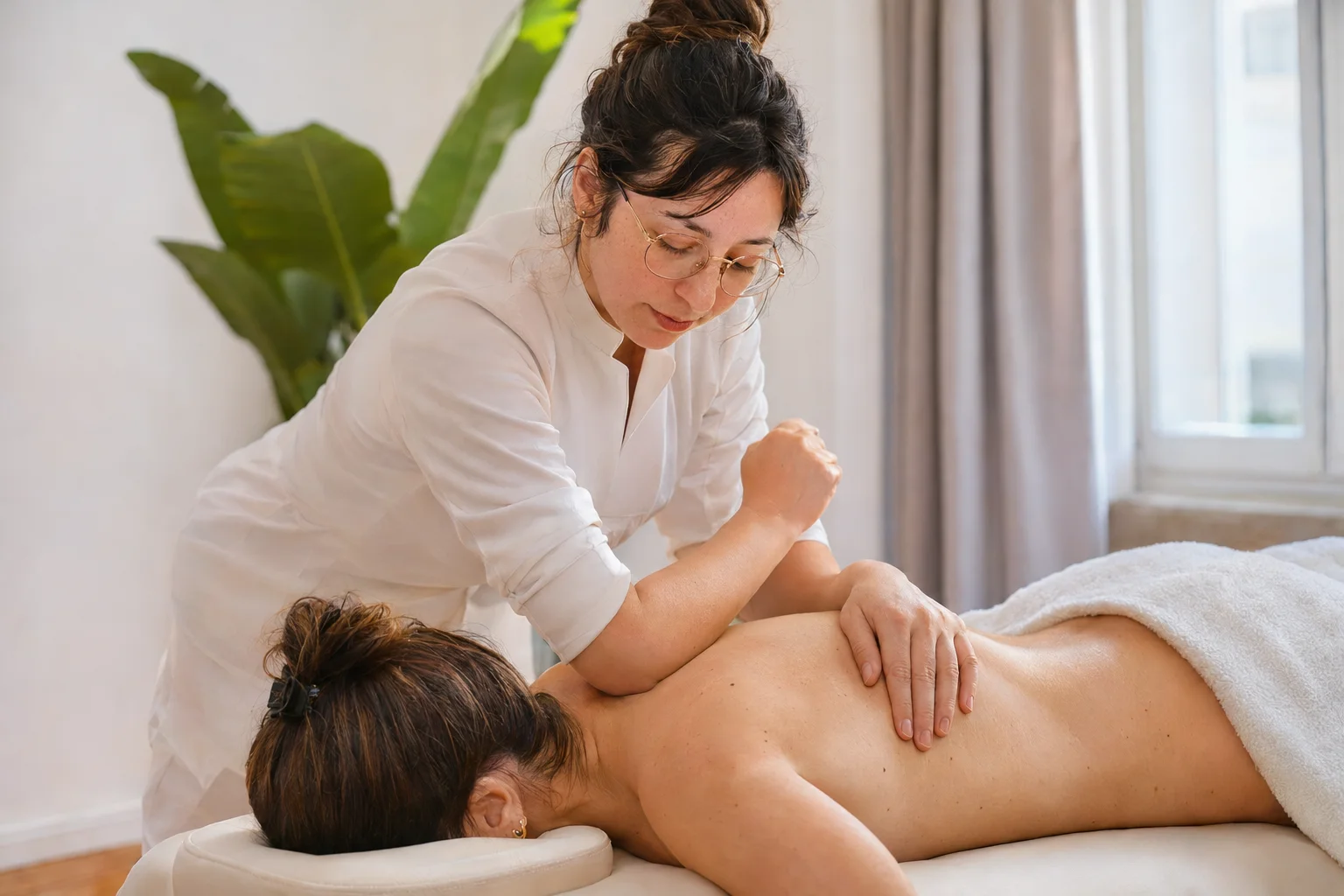
Stiff back, neck and shoulders
To release your back, neck and shoulders, with firm pressure along the meridians.
Book Tui NaLearn more about Tui Na massagePrices include VAT. See all prices · Also on ClassPass.
It may help ease pain, improve sleep and bring back energy. At your first visit, Yorrana explains how it may help in your case.
It can be. When the Kidneys are weak, pain in the back and knees and tiredness appear. The Liver, Spleen and Heart are usually involved too.
Mainly in the neck, shoulders, back, hips, arms and legs. Tui Na and cupping may help ease them.
Digestive symptoms such as bloating and wind are common. Diet and acupuncture may help calm the digestion.
The first visit costs €60 (60 min), a follow-up session €50 (50 min), the TCM Programme €315 (8 sessions over 4 months) and Tui Na €60 (60 min), VAT included.
An hour to tell your story properly, without rushing, and leave with a plan to live with less pain and more energy. Choose the day and time on Fresha; if you have questions, message us on WhatsApp. [Book your first visit] · [Message on WhatsApp]