
First acupuncture consultation
For your first visit
An unhurried conversation, tongue and pulse assessment, your first acupuncture session and a plan agreed with you.
Book the first consultationLearn more about the acupuncture consultation
By Yorrana Medeiros, acupuncturist · · 7 min read
Your belly swells by the end of the day, trips to the toilet change from week to week and every meal out brings the same question: will I feel all right? Anyone living with irritable bowel syndrome knows this routine well. Many people come to Yorrana after years of trying other solutions. This article explains how Traditional Chinese Medicine sees IBS and how acupuncture, Chinese dietary therapy and Chinese herbal medicine may help.
Irritable bowel syndrome (IBS) is a functional disorder of the bowel: in tests, the bowel looks normal, but the way it works is altered.
The most common signs are:
These signs come and go, and they weigh on daily life: at work, when travelling, at dinners with friends. Some people avoid going out on the worst days. For those who have moved to Lisbon, new food, new water and a new routine can unsettle the gut even more.
The causes are still being studied, and several often come together:
FODMAP is the acronym for a group of short-chain carbohydrates that gut bacteria ferment: fermentable oligosaccharides, disaccharides, monosaccharides and polyols. In many people with IBS, these foods bring bloating, wind, pain and diarrhoea, or other changes in bowel habits. Sometimes a small portion is enough to bring the diarrhoea back. That is why the most important step is to avoid high-FODMAP foods as much as possible:
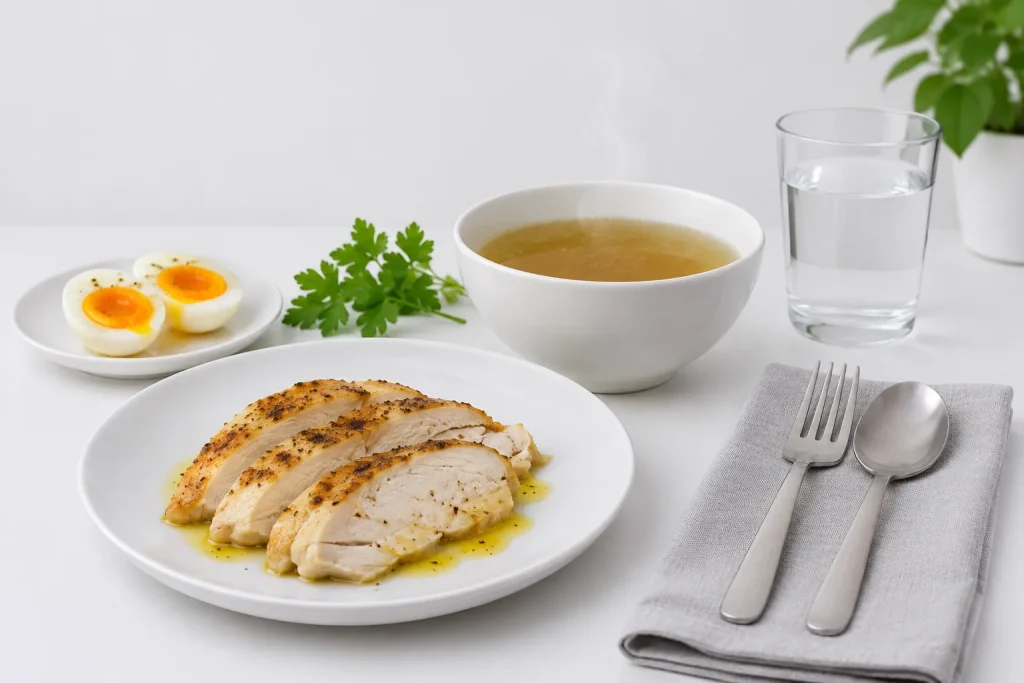
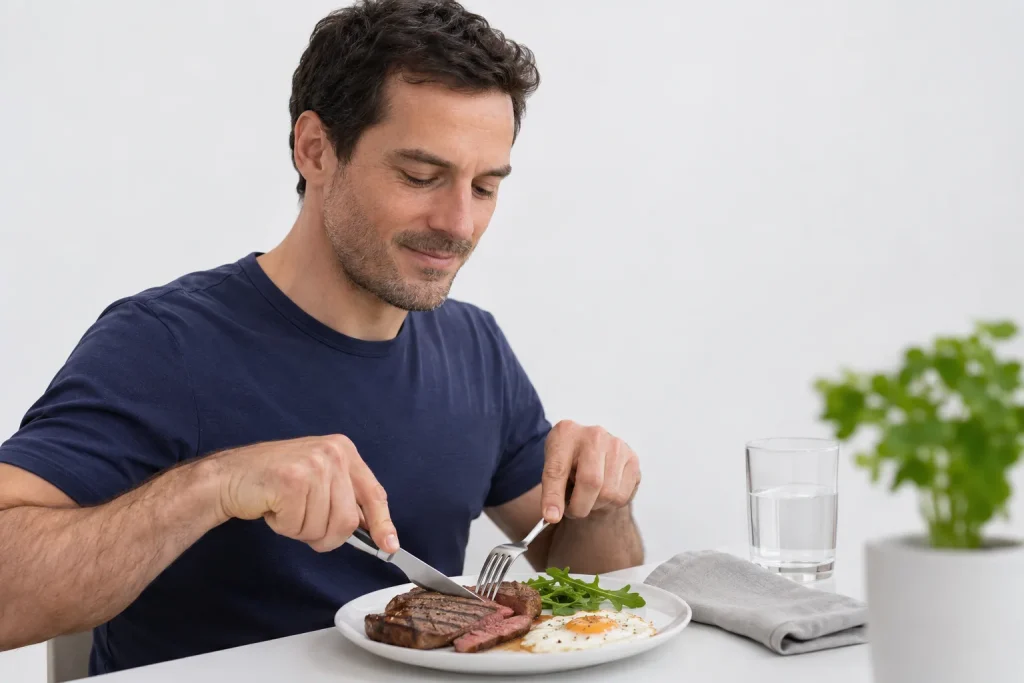
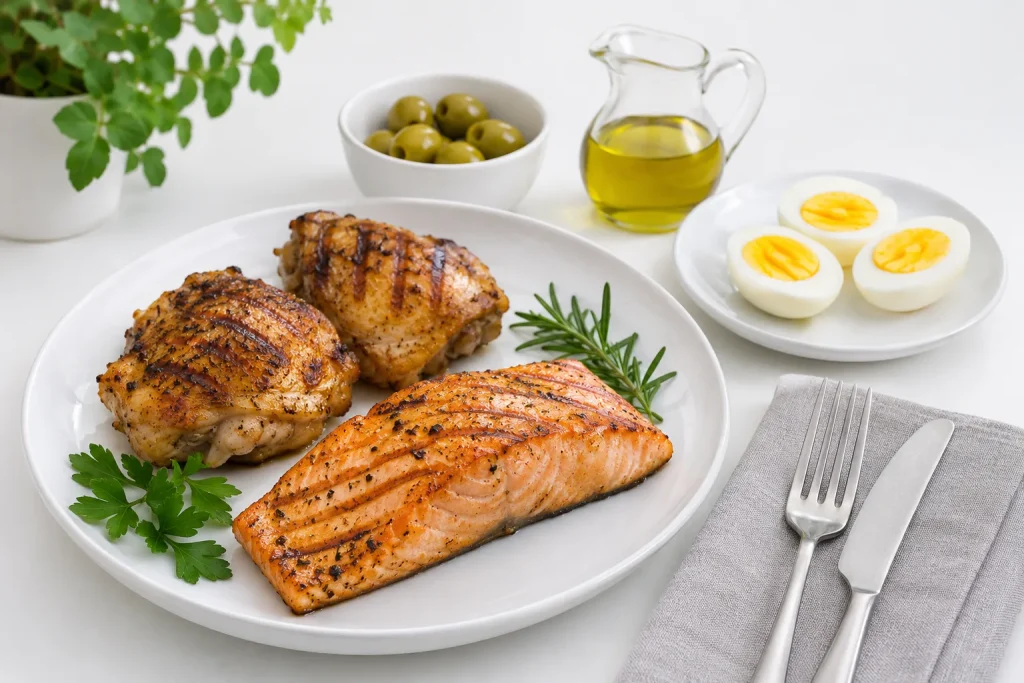
A low-carbohydrate diet may also help: meals based on meat, fish and eggs contain very few FODMAPs and often settle the gut. In the consultation, Yorrana adjusts your diet to your case.
In Traditional Chinese Medicine, IBS is the expression of an imbalance between several organs. The ones most involved are:
That is why two people with the same IBS diagnosis may need different approaches. Each person’s pattern decides the points, the foods and the rhythm of sessions.
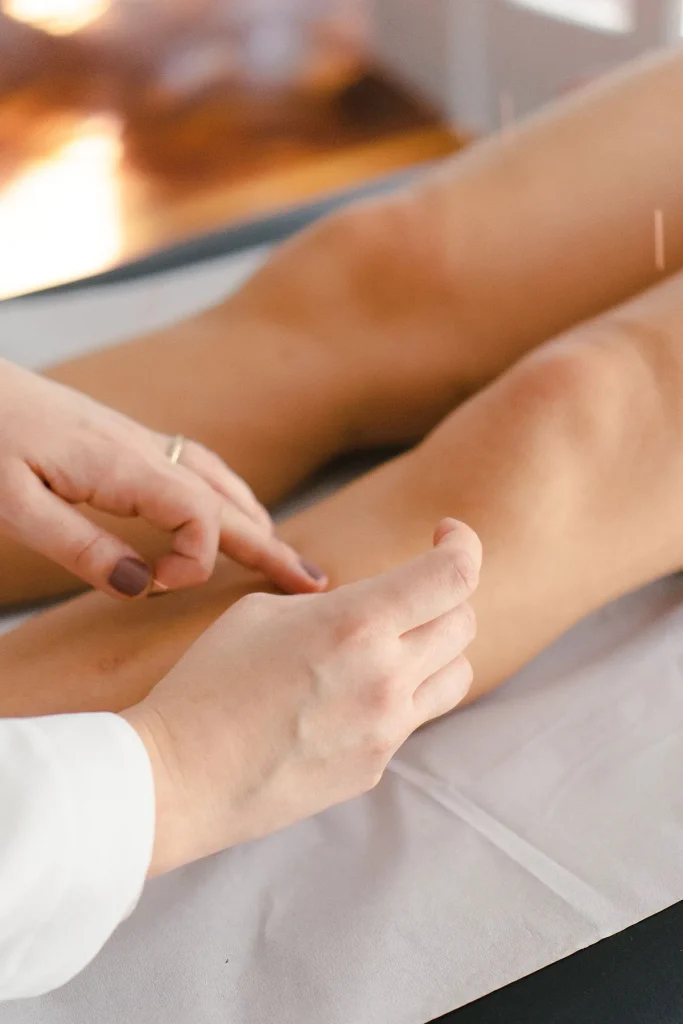
Yorrana brings together three tools of Chinese medicine, always tailored to each person:
As in any visit, The whole visit is in English.
Among the points Chinese medicine uses most often for IBS are:
The points for each session are chosen after the conversation and a look at your tongue and pulse, and adjusted from session to session.
With sessions and changes to your diet, many people describe a less bloated belly, fewer urgent trips, more regular bowel habits and more confidence to eat out. Some also notice that they sleep better and handle stress more calmly, which, in Chinese medicine, is part of the same balance.
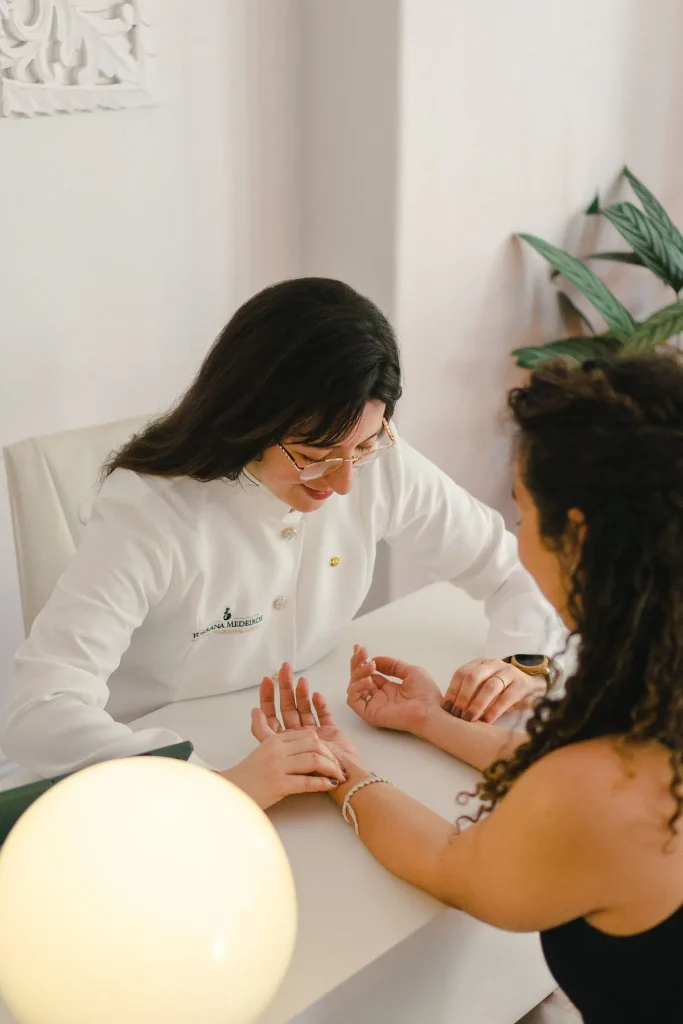
At your first visit, Yorrana listens to your story properly, identifies your pattern, gives you your first session and you leave with a clear plan: the rhythm of sessions, what to eat and what to avoid.
For your first visit
An unhurried conversation, tongue and pulse assessment, your first acupuncture session and a plan agreed with you.
Book the first consultationLearn more about the acupuncture consultation
After your first consultation
The acupuncture session, a review of your plan and advice for everyday life.
Book a follow-upLearn more about follow-up sessions
Acupuncture support over several months
First consultation, 6 follow-up sessions and 1 cupping session (8 sessions), to use within 4 months.
Book the TCM ProgrammeLearn more about the TCM ProgrammePrices include VAT. See all prices · Also on ClassPass.
It may help ease pain, bloating and changes in bowel habits. At your first visit, Yorrana explains how it may help in your case.
Among the most used are Stomach 36, Stomach 25, Liver 3 and Spleen 6, chosen for each person.
In general, warm, cooked food, sweet-natured vegetables and regular mealtimes; less spicy, fried and raw food. Yorrana adjusts the advice to your pattern.
In Chinese medicine, the feeling of an inflamed bowel is linked to Heat and Dampness. Acupuncture and diet may help calm these signs.
The first visit costs €60 (60 min), a follow-up session €50 (50 min) and the TCM Programme €315 (8 sessions over 4 months), VAT included.
An hour to tell your story properly, understand what your gut is telling you and leave with a plan to eat and live more calmly. Choose the day and time on Fresha; if you have questions, message us on WhatsApp. [Book your first visit] · [Message on WhatsApp]